A Practical Guide to Pranayama: Breathing Techniques for Calm, Focus, and Breath Awareness

Explore foundational breathing practices that support yoga sessions and daily mindfulness. This guide covers simple pranayama techniques, safety tips, and how to integrate mindful breath into routines for stress relief and improved concentration.

Pranayama, the disciplined practice of controlling the breath, is a cornerstone of traditional yogic arts and a powerful ally in modern wellness routines. Its name derives from the Sanskrit words "prana" (life force) and "ayama" (to extend or draw out). When practiced with intention, pranayama can calm the nervous system, sharpen mental focus, and cultivate a steady, sustainable energy that supports both dynamic asanas and restorative rest.

In the following sections, we begin with accessible foundations—diaphragmatic breathing, a simple, reliable starter that moves the breath into the abdominal cavity. From there, we explore equal ratio breathing, also known as box breathing, which provides rhythm and balance for moments of tension or scattered thoughts. Finally, we enter the gentle, restorative realm of alternate nostril breathing, or Nadi Shodhana, a practice renowned for balancing the body's energetic channels and soothing the nervous system.

Foundations: Diaphragmatic Breathing

Diaphragmatic breathing, sometimes called belly breathing, invites the diaphragm to do the heavy lifting. It shifts the breath from shallow chest respiration into the deeper, more efficient movement of the abdomen. This simple shift can lower heart rate, reduce cortisol, and invite a sense of spacious calm.

  • Posture matters: Sit or lie with a tall spine and relaxed shoulders.
  • Hands on the belly can help you feel the breath expanding the abdomen.
  • Inhale through the nose for a count of four; exhale through the nose for a count of four.

Equal Ratio Breathing: Box Breath

Equal ratio breathing cultivates rhythm and focus. By equalizing the duration of inhalation, retention, exhalation, and pause, you create a mental tempo that can anchor you in the present moment during challenging yoga flows or stressful days.

  • Inhale through the nose for 4 counts.
  • Hold for 4 counts.
  • Exhale for 4 counts.
  • Pause for 4 counts before the next breath.

Nadi Shodhana: Alternate Nostril Breathing

Nadi Shodhana is a balancing practice that alternates the flow of breath between the two nostrils. It is frequently used to settle the mind before meditation or as a calming break between intense yoga sequences. Though simple, it requires mindful attention to the hand gesture and the breath’s cadence.

  • Use your right thumb to close the right nostril; inhale through the left.
  • Close the left nostril with your right ring finger; exhale through the right.
  • Inhale through the right, close it, and exhale through the left to complete one round.

Safety and Comfort in Practice

Pranayama should be approached gradually, especially for beginners or individuals with respiratory sensitivities. If you feel dizziness, tingling, or discomfort, return to a comfortable, slower cadence. Maintain a steady gaze or keep eyes softly closed to support mental focus. Sip water if needed after a breathwork session.

  • Avoid forceful breath holds if you have a history of high blood pressure or respiratory issues.
  • Start with short sessions and build gradually to longer practices.
  • Consult a qualified instructor if you have concerns about technique or safety.

Putting Pranayama into Practice: A Simple Daily Rhythm

A practical daily rhythm might begin with a brief diaphragmatic session in the morning to wake the body and clear the mind, followed by a box breathing sequence during a mid-day pause to restore focus, and a short Nadi Shodhana cycle as a wind-down before evening practice. The goal is not to chase mystic intensity but to cultivate a steady, accessible awareness of the breath that travels with you through the day.

Key Figures in the History of Breath and Well-Being

Across centuries, teachers, physicians, and scholars have explored breath as a central pillar of health, resilience, and consciousness. Three pivotal individuals—from different eras and traditions—offer enduring insights into the power of breathwork.

  • Hatha Yogi Swami Sivananda (1887–1963) — Early modern synthesis: Sivananda blended traditional yogic practices with accessible instruction for a broad audience, emphasizing breath regulation as a core component of pranayama, asana, and meditation. His inclusive teaching style helped popularize disciplined breathwork within modern yoga communities.
  • Sir William Harvey (1578–1657) — The physiology of breath: Though known for describing systemic circulation, Harvey’s era spurred a broader curiosity about respiration and the body’s internal rhythms. His work laid a scientific groundwork that later educators would weave into breath-centric practices.
  • Dr. Patanjali (circa 2nd century BCE — revised in later centuries) — The Yoga Sutras: While not a single person in the modern sense, Patanjali’s compilation codified the mental and physiological aspects of breath within the eightfold path, shaping how practitioners understand prana and breath control as pathways to clarity, ethical living, and insight.

Contemporary Voices

In contemporary practice, voices from different disciplines illuminate breath’s relevance to mental health, athletic performance, and stress reduction.

  • Dr. Belisa Vranich (b. 1969) — Psychology and breathwork: A clinical psychologist who has championed structured breath techniques as tools for reducing anxiety and increasing cognitive control, bringing breathwork into clinical conversations with a grounded, evidence-based approach.
  • Dr. Rick Hanson (b. 1953) — Neuropsychology and mindfulness: Through approachable explanations of neuroplasticity and mindful breathing, Hanson demonstrates how breath-focused practices can reshape emotional responses and resilience.
  • Patricia Moreno (1953–2012) — Breath-centered fitness: A pioneer in integrating breath into movement-based fitness, Moreno emphasized the synergy between breath, exertion, and mindfulness in sustaining health and focus during workouts.

A Practical Note on Tools and Materials

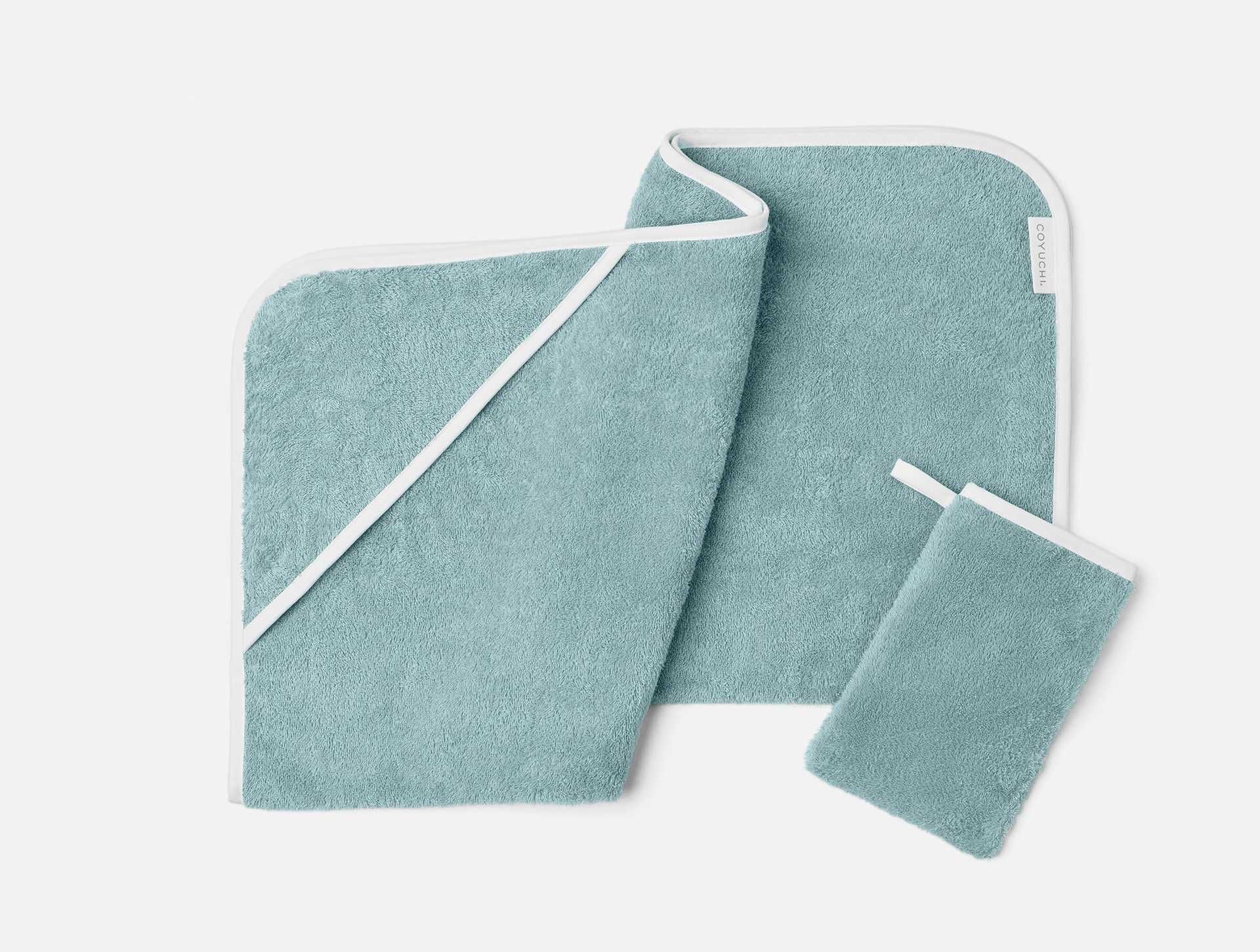
While breathing is a universal phenomenon, practitioners often enrich their practice with comfortable, supportive environments and materials that encourage calm, steady sessions. For example, wearing comfortable clothing and practicing in a quiet space can significantly impact perceived ease and longevity of pranayama routines. In the broader sense of wellness, textiles such as Cloud Loom Organic Baby Hooded Towel and Bath Mitt Set from Coyuchi—though designed for infants—embody the principle of soft, breathable fibers that nurture a sense of safety and ease during restorative routines. The set features 100% certified organic Turkish cotton and GOTS certification, ensuring purity and durability in everyday care.

In a broader home practice, consider a similar ethos: choose fabrics and environments that reduce sensory friction, and embrace routines that unfold with natural cadence rather than forced intensity. By pairing mindful breath with a calm space and reliable, gentle fabrics, practitioners of all levels can cultivate a sustainable practice.

Optional: A Product Window for Gentle Comfort

To illustrate the integration of well-being into daily life, this article highlights a product that embodies the values of comfort and care—without distraction from practice. The Cloud Loom Organic Baby Hooded Towel and Bath Mitt Set by Coyuchi is a small example of how textiles that prioritize gentle touch, organic materials, and durable design can support mindful routines at home. While marketed for infants, the ethos of soft, breathable fibers translates to any calm, restorative setting where breathwork is practiced or unwound after practice.

Cloud Loom Organic Baby Hooded Towel and Bath Mitt Set

This 100% certified organic Turkish cotton set features a 31" x 31" hooded towel and a 9" x 5.5" bath mitt. GOTS certified, it emphasizes purity, softness, and durability—qualities that align with a mindful, comfortable home environment.

  • Origin: Turkey
  • Care: Machine wash cold, gentle cycle; tumble dry low
  • Dimensions: Towel 31" x 31"; Mitt 9" x 5.5"
  • Price: 88.00

What this choice signifies

The selection reflects a broader principle: materials that feel good against the skin, manufactured with care for the environment, can contribute to calmer mornings, more relaxed evenings, and a gentle overall practice. In pranayama, where attention to breath is central, the sensory environment—soft fabrics, quiet spaces, and sustainable products—helps sustain mindful, repeatable routines.

Glossary: Breath, Rhythm, and Mindfulness

  • Prana: Life force or vital energy conceptualized in yogic philosophy.
  • Diaphragm: The primary muscle of respiration; engaging it supports deep, efficient breath.
  • Retention (Kumbhaka): Breath-holding phase used in some pranayama practices; practice with guidance and caution.
  • Nadi Shodhana: Alternate nostril breathing—balancing breaths and calming the nervous system.
  • Box Breathing: Equal ratio breathing that creates rhythm and focus.

Further Reading and Resources

For readers seeking deeper exploration, consider sources that bridge traditional yogic teachings with contemporary science on breath, stress reduction, and cognitive function. Look for peer-reviewed articles on pranayama’s effects on autonomic balance and attention, as well as practitioner guides that provide progressive, safety-oriented instruction suitable for beginners and seasoned students alike.

Published date: 2026-09-30 • Topic: Pranayama, breath work, yoga breathing, mindfulness

Related Products

Cloud Loom™ Organic Baby Hooded Towel and Bath Mitt Set

Coyuchi

Cloud Loom™ Organic Baby Hooded Towel and Bath Mitt Set

Wrap your baby in ultra-soft Turkish cotton that stays plush wash after wash, with easy-hang mitt and gentle hooded towel for cozy, everyday comfort. GOTS-certified purity you can trust for delicate skin.
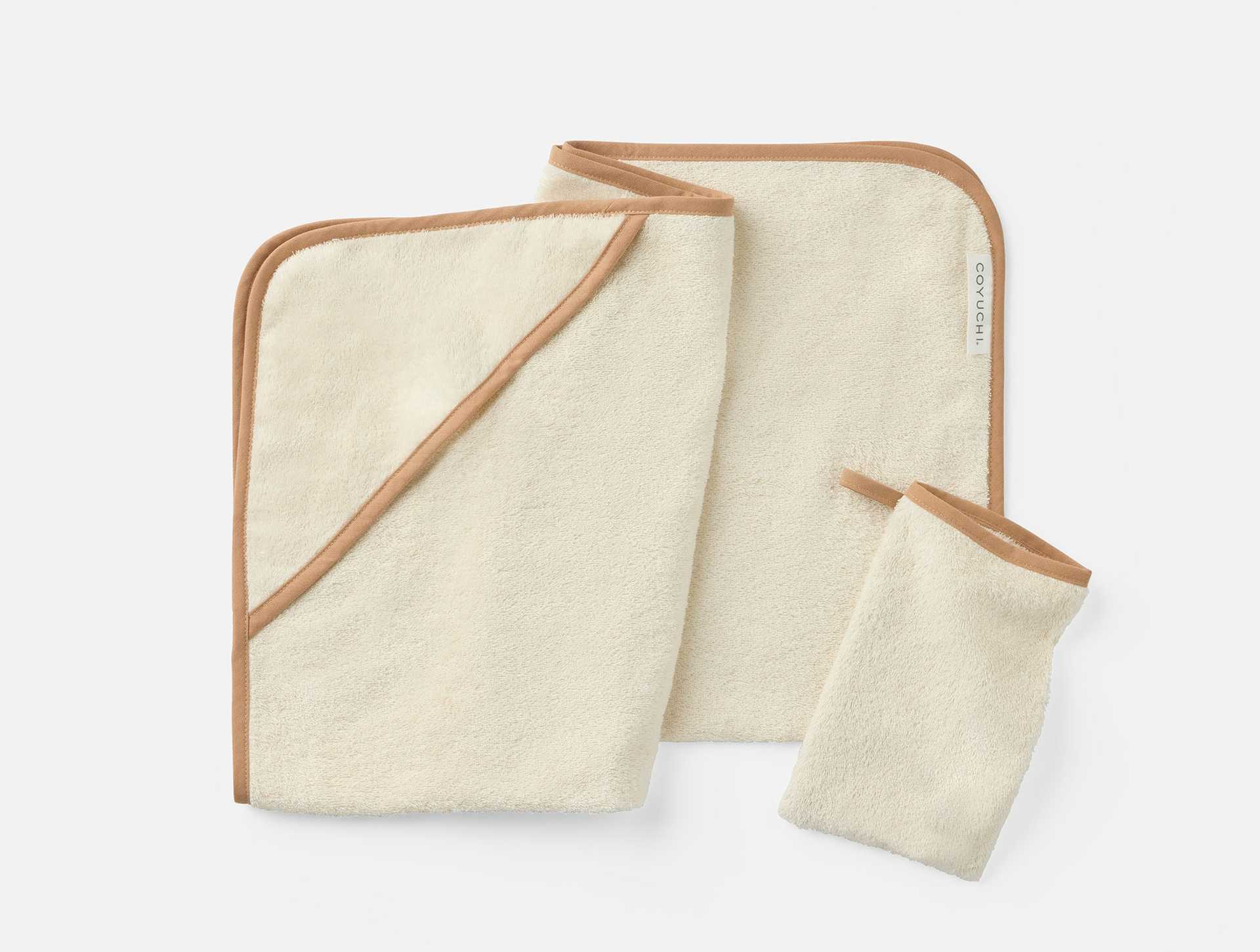
Cloud Loom™ Organic Baby Hooded Towel and Bath Mitt Set

Coyuchi

Cloud Loom™ Organic Baby Hooded Towel and Bath Mitt Set

Gentle, plush Turkish cotton set keeps baby cozy and dries softly after baths; durable, machine-washable and GOTS-certified for worry-free care, with a handy hanging loop for easy drying and everyday use.
Women's Isla Organic Cotton Short Sleeve Pajama Set

Coyuchi

Women's Isla Organic Cotton Short Sleeve Pajama Set

Enjoy cool, breezy nights in a lightweight, organic cotton set that feels lived-in from day one—soft fabric, breathable poplin, and coconut shell buttons for easy comfort and relaxed mornings.

Theme